
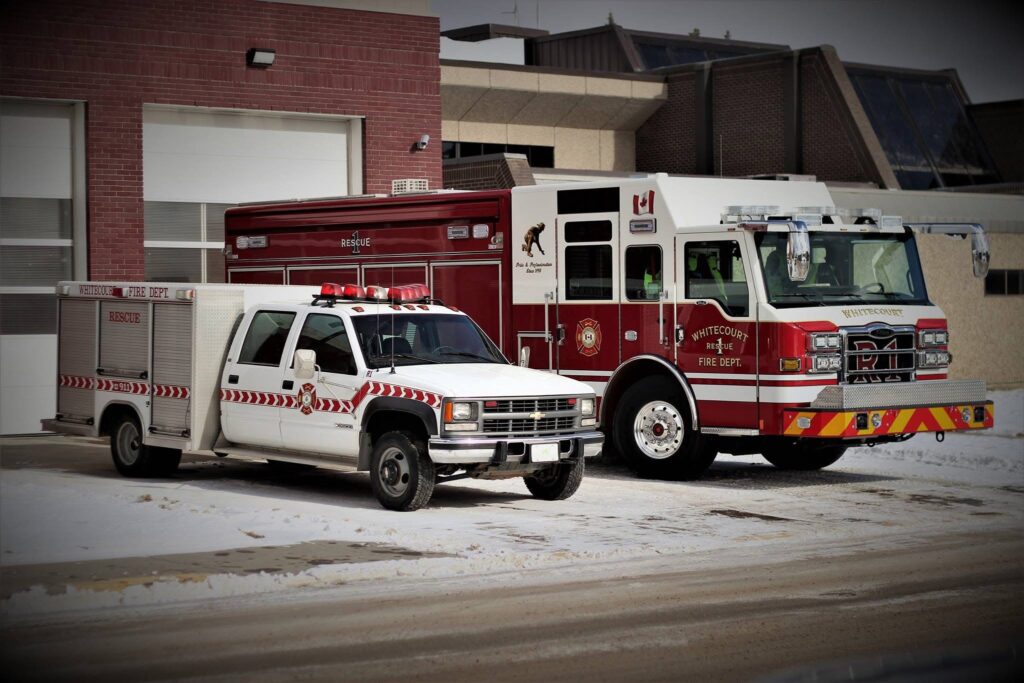
Photo: Town of Whitecourt
By Haylee Winger
As temperatures drop and residents begin relying more heavily on their home heating systems,
carbon monoxide safety is an important reminder for Whitecourt households.
Whitecourt Fire Chief Aaron Floyd says the department sees more carbon monoxide-related calls
during the colder months.
“As temperatures drop, residents close up their homes and rely heavily on fuel-burning heating
appliances, such as furnaces, boilers and fireplaces for the first time since spring,” Floyd
explained. “Any underlying maintenance or ventilation issues tend to surface right as these
systems are running continuously.”
Some of the most common carbon monoxide concerns in local homes involve blocked exterior
vents and heating equipment that hasn’t been properly maintained.
Exterior vents allow fresh air into furnace rooms and help exhaust gases safely leave the home.
During the summer, dust, pollen and other debris can build up on vent screens. Once winter
arrives, snow and frost can add to the problem, restricting airflow and potentially allowing
dangerous gases to back up into the home.
Another concern is in-floor heating boilers that haven’t received proper servicing. These systems
need regular cleaning and inspection by a qualified technician.
Floyd stressed that a quick visual check isn’t enough.
“These systems require thorough, regular cleaning and inspection by a qualified technician, not
just a quick visual check.”
Dust and mineral deposits can build up inside heat exchangers over time, affecting the boiler’s
ability to burn fuel safely and efficiently.
When it comes to preventing carbon monoxide concerns, homeowners should keep exterior vents
clear and have their fuel-burning appliances serviced annually by a qualified technician.
Floyd also encourages residents to make sure the person completing the work is a licensed
gasfitter and that the inspection goes beyond a quick look at the equipment.
He recommends asking for an itemized service checklist rather than simply accepting a generic
inspection note. Homeowners should also request a digital combustion analysis to verify carbon
monoxide and draft readings, along with confirmation that burners and heat exchangers have
been physically cleaned and exhaust flues have been checked.
Carbon monoxide alarms are another important part of home safety. Floyd recommends
installing multiple alarms, including near sleeping areas and close to rooms containing fuel-
burning appliances such as furnaces, hot water tanks, fireplaces and gas stoves.
“Having multiple alarms ensures everyone hears the alert and helps confirm whether an alarm is
a true emergency or a single faulty unit,” he explained.
Residents should also test their alarms monthly and replace them according to the manufacturer’s
recommended lifespan.
Recognizing the warning signs of carbon monoxide exposure is just as important. Because the
gas is invisible and odourless, symptoms can easily be mistaken for the flu. Headaches,
dizziness, nausea and fatigue are among the signs of possible exposure.
Floyd says residents should be especially cautious if more than one person or pet in the
household suddenly begins feeling unwell.
“If multiple people or pets in the home suddenly feel unwell at the same time, get outside
immediately.”
If a carbon monoxide alarm sounds or exposure is suspected, residents should leave the home
immediately and call 911 from a safe location.
With winter bringing increased use of home heating systems, Floyd’s advice is to stay on top of
regular maintenance, pay attention to ventilation and make sure carbon monoxide alarms are
working. A little preparation can make an important difference in keeping Whitecourt families
safe.
Subscribe to our free E-edition
Enter your email once — your free paper will be delivered to you automatically every week.




More Stories
Two voices are louder than one
Rising false alarm calls prompting changes to town bylaw
Whitecourt woman sees first hand the impact of Operation Christmas Child shoeboxes